2026-10-13 ·
What Causes a Dishwasher to Leave Dishes Dirty?
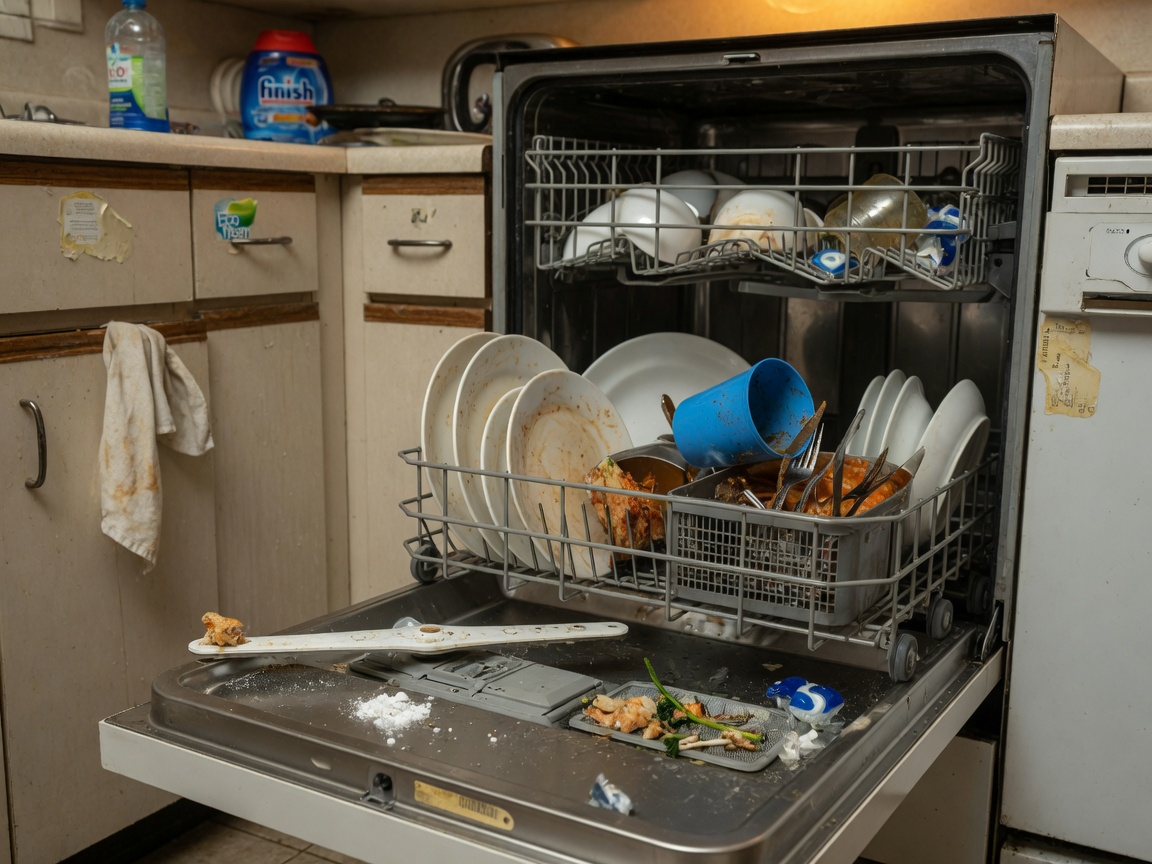
Hard water minerals combined with residue buildup in the filter and spray arms are the most frequent reasons dishwashers leave dishes dirty in Westchester homes. Cook County water carries higher mineral content that leaves spots and film when the machine cannot rinse properly, especially in homes built before 1980 around Westchester Town Center.
Hard Water Effects on Local Dishwashers
Westchester sits in a humid continental climate with four distinct seasons, and winter brings drier indoor air that can increase reliance on dishwashers for daily loads. The mineral scale from Cook County water settles on heating elements and spray arms, reducing water pressure over time. Homes near the Westchester Public Library and Community Park often have older plumbing that compounds the problem, allowing sediment to reach the appliance inlet. Residents in nearby Hillside and Broadview report similar issues when seasonal temperature swings affect water pressure from municipal lines. Regular vinegar rinses help dissolve early buildup, but persistent scale requires checking the water inlet valve for restrictions.
Clogged Filters and Spray Arms
Food particles and grease accumulate faster in dishwashers used year-round in Westchester's older housing stock. The filter at the bottom traps debris that, if not removed monthly, blocks water jets and leaves dishes with baked-on soil. Spray arms can also become obstructed by mineral deposits common in Bellwood and Broadview water supplies. Homeowners should remove the lower rack and twist out the filter cover every 30 days to clear debris by hand. When jets show visible blockage even after cleaning, the issue often traces to worn gaskets that allow water to bypass the intended path.
Loading Patterns That Reduce Cleaning
Overloading racks prevents water from reaching inner surfaces, a common mistake in compact kitchens found throughout Westchester Town Center. Large platters placed flat block the upper spray arm, leaving upper-rack items untouched. Placing plastics on the bottom rack exposes them to higher heat that warps them and traps soil underneath. Proper spacing allows water to circulate fully, and nesting bowls or stacking cups creates pockets where detergent cannot dissolve evenly.
Detergent and Temperature Factors
Using the wrong detergent type or amount leaves residue when water temperature falls below 120 degrees, a frequent occurrence in older Westchester homes during peak winter demand. Powder detergents clump in humid summer conditions common to Cook County, while liquid formulas may not activate fully in short cycles. The machine's internal heater must reach proper temperature before the main wash begins; a faulty thermostat prevents this and leaves film on glassware. Testing outlet water with a thermometer during a cycle confirms whether the appliance is delivering adequate heat.
When Professional Service Becomes Necessary
Persistent dirty dishes after filter cleaning and proper loading point to mechanical faults best addressed by technicians familiar with local conditions. Dishwasher repair addresses spray arm replacement and inlet valve issues common in homes across Hillside and Westchester. Scheduling service prevents further damage to the circulation pump when scale restricts flow. Readers facing repeated problems may also find value in When Should You Schedule Professional Appliance Maintenance? for guidance on seasonal checks suited to four-season weather patterns.